What Causes Hip Pain?
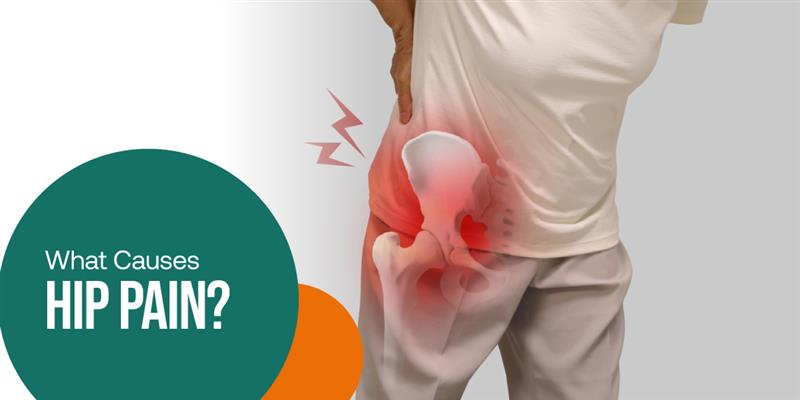
Hip pain is a very common problem and can affect all age groups, from young adults to the elderly. It can hit suddenly following an injury or progress over time as a result of wear and tear. In some scenarios, hip pain can become so severe that, in such cases, doctors may ask you to undergo surgery. If you are looking for Hip Surgery in Gandhinagar or The nearby area, like Gift City or more, Aarunya Hospital can be a great choice for you. To know how to treat it, you need to have an understanding of what’s causing the pain and the way that impacts the joint in your hip.
The hip is a weight-bearing joint that must be both stable and mobile. It is involved in nearly every activity we do, from walking to sitting, bending, and running, so it gets a lot of trauma and degeneration.
Understanding the Hip Joint
The hip is a ball-and-socket joint where the thigh bone (femur) meets the upper end of the long bone of your abdomen (pelvis). It is supported by cartilage, ligaments, muscles and tendons. Damage to any of these parts can cause pain, stiffness and limited movement. Hip pain can be associated with any of the structures over or around the hip.
Symptoms That May Accompany Hip Pain
Pain in the hip may exhibit varying characteristics based on the cause, such as :
- - Stiffness in the hip joint
- - Pain while walking or standing
- - Reduced flexibility
- - Swelling or tenderness
- - Pain that gets worse with activity or at night
Ignoring persistent symptoms doesn't simply result in more joint deterioration.
Common Causes of Hip Pain
1. Osteoarthritis
One of the major complaints among older individuals is hip pain, which is commonly attributed to osteoarthritis. It happens as the protective cartilage in the hip wears away slowly. It can cause pain, stiffness and limited movement. Symptoms typically increase during activity and decrease with rest.
2. Rheumatoid Arthritis
Rheumatoid arthritis is an autoimmune disease, meaning the immune system attacks the joint lining. This inflammation results in swelling and pain in the hip joint. Rheumatoid arthritis, on the other hand, is typically less common in that both hips can be affected, and morning stiffness is superiorly dominant.
3. Hip Fractures
Hip fractures are a frequent injury in older adults, especially in those with osteoporosis. This type of fracture can occur from a fall or blow to the femur close to the hip. It can cause you to experience a sharp, intense pain and limited ability to stand or walk. Fractures, united with Hip pain, are a serious affliction – visit your doctor at once.
4. Bursitis
Bursae are tiny, fluid-filled pouches that decrease friction between bone and soft tissue. These sacs become inflamed, a condition called bursitis. Hip bursitis causes pain on the outer side of the hip, particularly when walking, going up stairs or lying on the affected side. It is one of the inflammatory origins of hip pain
5. Tendinitis and Muscle Strain
Too much activity or repetitive activity can overstretch the muscles and tendons in the hip. Especially when you move, local pain occurs with tendinitis. These hip pain offenders do not discriminate—they are susceptible to all!
6. Labral Tears
The labrum is a ring of cartilage that runs around the hip socket. Labral tears can occur from trauma, wear and tear or congenital problems. Labral injury can cause sharp pain, clicking and a feeling that the hip is going to come out of joint.
7. Avascular Necrosis
Avascular necrosis develops when the blood supply to the femoral head is lower than usual, resulting in bone death. Continually, the joint collapses and causes a severe, painful condition. It is often related to prolonged use of steroids, alcohol intake or previous injury. Necrosis is a serious aetiology of hip pain that may advance without prompt and appropriate treatment.
8. Referred Pain From the Spine
Sometimes hip discomfort has nothing to do with the hip joint itself. Herniated discs or nerve impingement are two lower back conditions that can cause discomfort that radiates to the hips. For a proper diagnosis, the actual reason for hip pain must be identified.
How Hip Pain is Diagnosed
Doctors determine the causes of hip pain through :
- - Detailed medical history
- - Physical examination
- - X-rays, magnetic resonance imaging, or computed tomography scans are performed to create images of the inside of your body.
- - Hematologic tests in suspected inflammatory diseases
It is important to have an accurate diagnosis, as it would affect the treatment choice between conservative and surgical treatment.
When Is Surgery Considered for Hip Pain?
Pain in the Hip Most hip pain is treated with medicine, physical therapy, rest and lifestyle changes. However, you might need surgery if :
- - Joint damage is advanced
- - Pain is severe and long-lasting
- - Conservative treatment is not successful
- - Daily activities become difficult
In the presence of these problems, operation is also determined according to clinical symptoms and the patient’s condition.
Importance of Early Medical Evaluation
Hip pain that persists can cause further joint deterioration, resulting in an impaired quality of living. Knowledge of factors that lead to hip pain will result in prompt treatment, better pain management, and a better quality of life. Early detection also prevents an unnecessary progression of the disease.
Conclusion
Hip pain is frustrating, and many factors contribute to hip pain, from arthritis to injuries, inflammation to anatomic issues. Determining the source of your specific hip pain is key to finding the appropriate treatment. The majority of patients, if properly evaluated and treated by an expert doctor at Aarunya Hospital, can effectively manage symptoms and keep their joints functioning.