Reasons Not To Have Hip Replacement
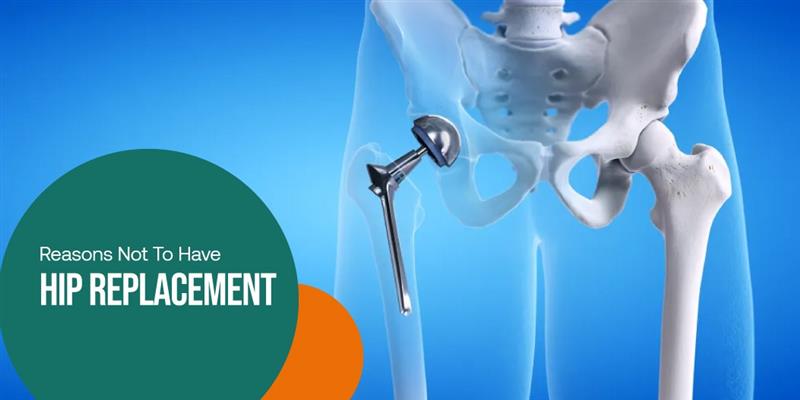
Hip pain is a common condition that can affect your mobility, sleep, and daily activities. Due to constant pain in the hip, the affected individual starts searching for possible solutions like Hip Replacement treatment in Gandhinagar, if any is available, where he can get temporary or permanent relief. However, this procedure was not recommended for all patients with hip discomfort.
Orthopaedic experts carefully investigate a patient’s condition before suggesting hip replacement. The decision depends on how much the joint is damaged, the patient’s overall health, the cause of pain and whether previous treatments have been effective. As a result, in many cases, medical providers may suggest hip replacement is not warranted, based on risk/benefit considerations, or they believe other treatments can deliver adequate improvement.
What Is Hip Replacement Surgery?
Surgery replacing a hip joint with an artificial one. The hip joint is a ball-and-socket joint that allows movement of the leg. Osteoarthritis, rheumatoid arthritis, fracture-related breakdown of bone and joint degeneration can all wear down the cartilage inside the joint.
During the hip replacement surgery, damaged parts of the hip joint are removed and replaced with an artificial ball-and-socket device that can be constructed from materials such as metal, ceramic or medical-grade plastic.
Hip Soreness Without Joint Damage
From a medical standpoint, hip replacement is often advised only after major structural damage to the joint has occurred.
In these cases, doctors treat the underlying cause rather than replace the joint. Treatment of symptoms may be effective through physiotherapy, anti-inflammatory medication, and activity modification.
Mismatch Between Symptoms and Imaging Findings
Doctors also assess the consistency between clinical symptoms and imaging before recommending surgery. In such cases, medical specialists typically advise ongoing monitoring and conservative treatment instead of hip replacement sooner after the injury.
Conditions That Raise Surgical Risk
Certain medical conditions can increase the risk of complications during hip replacement surgery.
Physicians review a person’s medical history before surgery. Some of these conditions that might make surgery potentially unsafe include :
- - Severe heart disease
- - Advanced lung disease
- - Uncontrolled diabetes
- - Blood clotting disorders
- - Poor immune function
These conditions may increase your risk after surgery, including infection, poor healing, or cardiac complications. In certain circumstances, physicians may advise treating the underlying medical condition first, and sometimes for an extended period, before proceeding to surgical treatment.
Active Infection in the Body
Infection at or around the hip is one of the most common and serious reasons for refraining from hip replacement surgery.
That is, if a patient has an infection anywhere in the body, bacteria can enter the bloodstream and infect the artificial joint after surgery. An infection of a joint replacement can be difficult to treat and sometimes requires further surgery.
Because of this risk, physicians typically delay hip replacement until any existing infection has been completely treated.
Severe Osteoporosis or Poor Bone Quality
Successful hip replacement surgery requires a strong and healthy bone structure.
In patients with severe osteoporosis or very poor bone quality, the artificial implant could not adequately bond to the bone. As a result, the risk of implant loosening, fracture, or premature failure increased. When that’s the case, doctors might advise addressing bone health first with medication, nutritional support, and monitoring, then evaluating surgery.
Early Joint Disease in Young Patients
Age is also a significant medical consideration in treatment planning.
Synthetic hip joints don’t last forever. Hip implants generally last an average of about 15 to 20 years. Younger patients who have surgery are at risk for eventual revision surgery as they get older and the implant fails with time.
Conclusion
Hip replacement surgery helps those with severe hip joint damage and intractable pain. However, medically, the procedure is recommended only when certain clinical conditions apply. Physicians account for imaging results, symptom severity, underlying medical conditions, bone health and responses to other treatment options when considering surgery. You can visit Dr. Viraj Patel at Aarunya Hospital for more such details.