What are the Different Types of fractures?
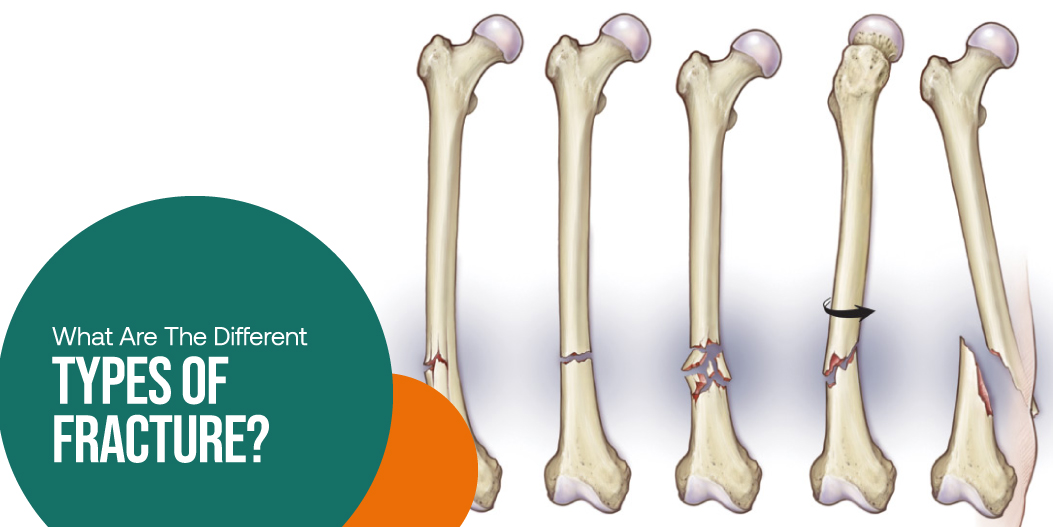
A fracture isn’t just a “broken bone,” it’s how the bone breaks, why it breaks and what type of care is required. Everyone looking for Fracture Treatment in Gandhinagar would relate to this that early detection and proper treatment can contribute a lot to the successful recovery of a fractured bone.
They can range from a little fall in the bathroom to an accident on a high-speed road, and they are not just something that only happens to individuals of a certain age. Let’s work through it and learn about the various types of fractures, explained simply.
What Exactly Is a Fracture?
A fracture is a crack or break in the bone that can result from injury, overuse or a variety of medical conditions, including osteoporosis. It might be a small hairline crack or a total break with the bone jutting through the skin.
Orthopaedists classify the fractures according to :
- - How the bone breaks
- - Whether the skin is involved
- - The side and angle of the break
Knowing the type of fracture allows doctors to determine whether a cast is necessary or if surgery or higher-level care might be recommended. To know more about it, you can read Understanding Bone Fractures: Causes, Symptoms, and Complications.
How Doctors Identify the Right Type of Fracture
Orthopaedic specialists rely on :
- - Physical examination
- - X-rays
- - CT scans or MRI (if needed)
Proper identification assists in planning the best treatment and recovery course. Now, let’s know about the types of fractures :
1. Simple Fracture
A simple fracture (closed fracture) implies :
- - The bone is broken
- - The skin remains intact
Your browser does not support the audio element. It is one of the most frequent fractures, and it occurs generally with falls or slight trauma.
Simple fractures usually heal well with immobilisation, such as in a cast or splint, and then physiotherapy.
2. Compound Fracture
A compound fracture (also known as an open fracture) occurs when :
- - The bone is broken
- - The bone bearing MI is exposed.
- - There’s a visible wound
- - This is classed as a medical emergency due to the risk of infection.
Why immediate care matters :
Open fractures typically need surgery, antibiotics and close monitoring. The sooner you treat a fracture, the better the potential outcome for complications or permanent damage.
3. Hairline Fracture
A hairline fracture is a small crack in the bone that can easily be overlooked at first glance.
Common causes :
- - Repetitive stress (running, jumping, overuse)
- - Sports injuries
Athletes and people practising regular exercise encounter this more frequently.
Don’t ignore it. Even those tiny cracks need rest and medical help, lest things fall apart even more later on.
4. Greenstick Fracture
This fracture is mainly seen in children.
In a greenstick fracture :
- - The bone bends and cracks
- - But does not break completely
Why kids?
Compared to adults, children's bones are softer and more flexible. The timely identified diagnosis keeps their legs straight and avoids growth disturbances.
5. Comminuted Fracture
A comminuted fracture means :
- - The bone fractures into many pieces
It usually happens due to :
- - High-impact trauma
- - Road accidents
- - Falls from height
It is treated surgically, most often with the use of metal plates, rods, or screws to stabilise the bone.
6. Transverse Fracture
In a transverse fracture :
- - The horizontal bone fracture is straight
- - It is most often the result of a direct blow or trauma.
These fractures can appear simple on X-rays, but perfect alignment is essential to prevent long-term issues with movement.
7. Oblique Fracture
The oblique fracture is diagonal to the bone.
Because of the slanted break :
- - Bones can shift easily
- - Surgical intervention may be needed
It is a frequent component of accidents caused by twisting forces.
8. Compression Fracture
The most common type is a compression fracture, which usually occurs in the spine and is typically associated with :
- - Osteoporosis
- - Age-related bone weakness
Symptoms might include back pain, decreased height, or a stooped posture.
It is crucial to make a timely diagnosis to avoid multiple spinal fractures.
Final Thoughts
Minor or severe fractures should never be ignored. Each has its own approach, and early care can make a big difference.
If you or a loved one has pain, swelling or trouble moving that won’t go away after an injury, don’t “wait it out.” Getting correctly diagnosed and treated at Aarunya Hospital can save you months of misery.
Healthy bones = confident movement.
Get one step closer to recovery today.