Understanding Bone Fractures: Causes, Symptoms
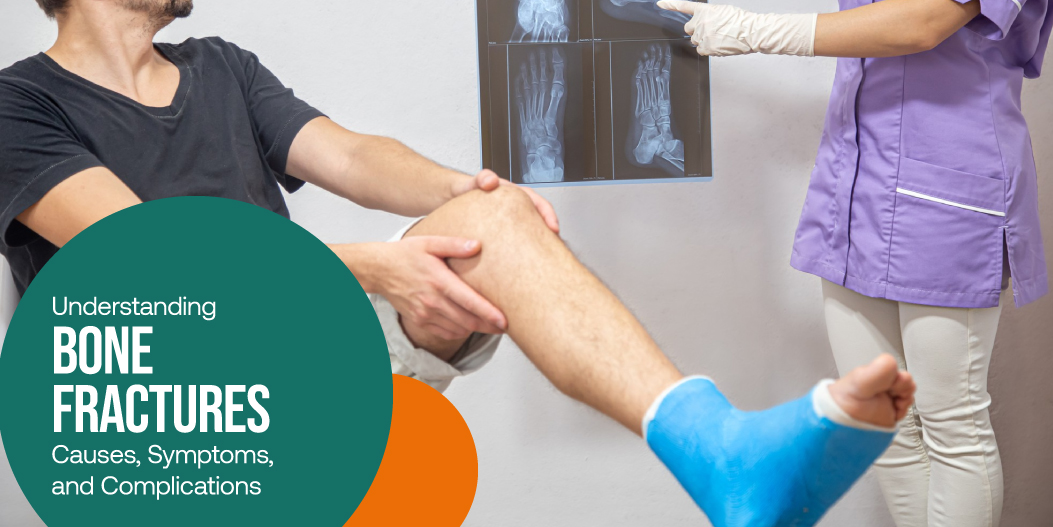
Fractures are among the most common injuries at any age. Whether playing at home or on the street, fractures can occur unexpectedly and have a significant impact on day-to-day life. Fracture treatment must be treated asap and correctly, as it is important for good healing and to reduce long-term complications. Looking for Fracture Treatment in Gandhinagar? This article can help you to reach the right place and discuss the nature of bone fractures, how and why they occur, identify symptoms of fractures, and the risks that can arise when fractures are not treated correctly.
What Is a Bone Fracture?
A bone break is a loss of continuity of the structure of a bone. The bone can fracture in different severities, from a small hairline crack to a complete fracture into two or more pieces. Fractures may be stable (with the ends of the broken bone aligned) or unstable (with bone fragments having shifted out of alignment).
Fractures should be diagnosed by a physician who will do either a physical examination or an imaging study, such as an X-ray, CT scan, or MRI, to establish the type and location of the fracture.
Common Causes of Bone Fractures
There are several reasons for a bone fracture. Knowing the reasons is helpful for prevention and early treatment.
Trauma and Accidents
Fractures are frequently the result of a sudden blow applied to the bone. It includes :
- - Road traffic accidents
- - Falls from height
- - Workplace injuries
- - Physical assault
Sports Injuries
Contact sports, including football, cricket, kabaddi, etc., and athletic activities are among those likely to raise the risk of fracture as a result of falling, collision or repetitive loading on bones.
Osteoporosis and Bone Weakness
Osteoporosis and other conditions decrease bone density, making it more fragile and prone to fracture even after what would be a minor fall or injury. It is particularly frequent among older people.
Repetitive Stress
Overuse over time can result in stress fractures, especially in athletes and those with highly physical jobs.
Medical Conditions
Sometimes bones become weak due to disease, infection or tumour and are more likely to break.
Types of Bone Fractures
Fractures are described according to the degree of pattern and intensity.
Closed (Simple) Fracture
The bone snaps but doesn’t puncture the skin.
Open (Compound) Fracture
The fractured bone is sticking out through the skin, and there is a risk of infection.
Hairline or Stress Fracture
A little crack in the bone, often not from a single blow but from the wear and tear of repetitive pressure.
Comminuted Fracture
The bone shatters into many pieces, typically caused by high-impact trauma like car accidents or falls.
Signs and Symptoms of a Bone Fracture
The symptoms will depend on the location and extent of the fracture; however, common symptoms are :
- - Acute or Severe Pain at the Site of the Injury
- - Swelling and bruising
- - Inability or difficulty in moving the region of injury.
- - Visible deformity or abnormal alignment
- - Tenderness on touch
- - Numbness or tingling caused by nerve involvement, in severe presentations
Open fractures may also exhibit bleeding and visible bone at the wound site.
Diagnosis of Bone Fractures
A detailed history and clinical examination are first needed for diagnostics. Physicians evaluate pain, swelling, movement and any deformity. Imaging studies provide the cornerstone of workup, such as :
- - X-rays for most fractures
- - CT scans are used for complex fractures occurring in joints or the spine
- - MRI for stress fractures or soft tissue impingement
Proper diagnosis is of paramount importance for planning the appropriate treatment course for a fracture.
Understanding Fracture Treatment
The orthopaedic management of fractures is to align, stabilise, and allow healing. Treatment is based on the type of fracture, patient age, bone quality and general health status.
Non-Surgical Treatment
- - Reducing with casts, splints or braces
- - Pain management and anti-inflammatory medication
- - Gradual rehabilitation with physiotherapy
It is a commonly followed technique for stable or simple fractures.
Surgical Treatment
Surgery may be required for :
- - Displaced or unstable fractures
- - Open fractures
- - Fractures involving joints
- - Multiple bone fragments
The surgical options are the internal fixation with plates, screws and rods or an external fixator.
Complications Associated with Bone Fractures
Fractures can have complications affecting long-term function if not properly managed.
Delayed Healing or Non-Union
In some cases, bones take longer to heal, or they don’t heal completely, particularly in smokers or people with weak bone health.
Malunion
The bone heals improperly and becomes deformed or fractured.
Infection
Compound fractures have a higher incidence of bone and soft tissue infection.
Joint Stiffness and Reduced Mobility
Immobilisation (unless it’s equally acute and resistant to a variety of motion exercises) will make things stiff regardless of when rehab starts.
Nerve or Blood Vessel Damage
With more serious breaks, nerves and blood vessels close to the fracture may also suffer injury, with numbness or weakness or compromised circulation.
When to Seek Medical Care
Seek emergency medical care if :
- - The bone pierces the skin
- - There is a visible deformity
- - There is tingling or poor circulation.
- - Movement is impossible
- - Pain is severe or worsening
Early assessment enhances outcomes and minimises risk.
Conclusion
If you know the cause, the symptoms and some potential risk factors, then you can take more control and take a proactive approach to getting better. Fracture treatment in Gandhinagar at Aarunya Hospital, with the supervision of Dr Viraj Patel, leaves you with safe tension-free healing for long years.