What is Knee Arthroscopy, and When is it Needed?
You know how annoying it is to have knee pain that won't go away if you've ever had it. It is difficult to climb stairs, sitting cross-legged feels difficult, and even short walks become painful. A lot of the time, rest and drugs help, but not always. At this point, doctors may recommend Knee Arthroscopy therapy in Gandhinagar as a new, less intrusive option.
But what is knee arthroscopy, exactly? Is it a big operation? How can you know whether you really need it?
Let's explain it in a way that kids can understand.
So, what is knee arthroscopy?
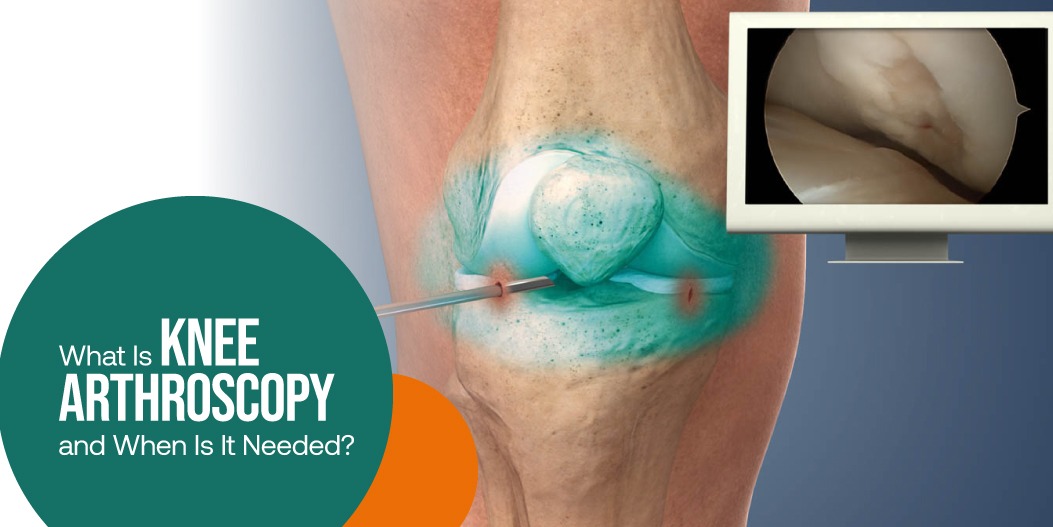
Knee arthroscopy is like a "keyhole" surgery for the knee joint.
The orthopaedic surgeon doesn't create a big incision. Instead, they cut extremely small holes and put a thin camera called an arthroscope into the knee. This camera offers crisp, enlarged pictures of the interior of your joint on a screen. The doctor can examine the problem and fix it at the same time using these pictures.
Patients usually feel :
- - Less discomfort after the surgery
- - Tiny scars
- - Faster healing
Stay in the hospital for a short time (typically discharged the same day)
This is why more and more people are being told to get knee arthroscopy therapy in Gandhinagar for knee problems.
Why Do People Need Knee Arthroscopy?
It's crucial to know that not all knee discomfort needs surgery.
Doctors usually only recommend arthroscopy when Medicines aren't working
- - Physiotherapy hasn't helped.
- - It keeps locking or bending at the knee.
- - Imaging illustrates an issue that can be fixed.
Let's look at the most prevalent causes.
Knee arthroscopy is used to treat a lot of different problems.
1. Tear in the meniscus (quite common)
The meniscus is the delicate cartilage that protects your knee. It might rip if you suddenly twist during sports.
- - Injuries from squatting
- - Wear and tear that comes with age
- - Pain in the knee while bending
- - Clicking or locking
- - Swelling after doing anything
Arthroscopy lets the surgeon cut the damaged part accurately.
2. Injuries to ligaments, such as tears in the ACL
Ligament damage might be to blame if your knee feels weak or gives way while you walk or run. Athletes are more likely than others to hurt their ACLs.
Surgeons can fix injured ligaments via arthroscopy, which does very little harm to the surrounding tissue.
3. Knee Pain That Doesn't Go Away
Sometimes scans don't reveal the whole disease clearly, but the patient still has discomfort, oedema, or limited movement.
In these situations, arthroscopy serves as :
- - A way to find out what's wrong
- - A way to treat something
It lets the doctor view what's going on within the joint right away.
4. Fragments that are loose within the knee
Have you ever felt your knee suddenly "catch" or "lock"?
Sometimes, little bits of bone or cartilage might float about inside the joint. These pieces get in the way of smooth movement. The surgeon can safely take them out using arthroscopy.
5. Inflammation of the Joint Lining (Synovitis)
Long-term inflammation of the knee lining can cause it to swell and hurt repeatedly. Cleaning the inflammatory tissue with an arthroscope often helps a lot.
What Happens on the Day of the Operation?
"Will it be a big surgery?" is one of the things that scares people the most.
The good news is that it typically isn't.
Before the Surgery
You will have to fast and take some simple exams. Most people feel better once they know that the process is not very intrusive.
While the surgery was going on
The process normally lasts between 30 and 60 minutes. You could have local, spinal, or general anaesthesia, depending on your situation.
The doctor will :
- - Cut little holes
- - Put it in the camera
- - Use a few tools to fix the situation.
- - Use little stitches to close the cuts.
Most of the people go home the same day.
What Is Recovery Really Like?
After arthroscopy, recovery is usually significantly easier than after standard open knee surgery.
The First Few Days
- - Soreness and mild swelling
- - Ice packs and drugs that your doctor gives you assist.
- - You may be told to relax for a while.
The first 2 to 4 weeks
- - Slowly getting back to regular work
- - Start of physiotherapy
- - Movement keeps becoming better
After 4 to 8 weeks
- - Most things that people do every day start again.
- - Athletes can begin supervised sports rehab.
Of course, how fast you heal depends on what was done to your knee.
Advantages of Arthroscopy
Patients in Gandhinagar typically choose Knee Arthroscopy therapy since it has apparent benefits :
- - Not very intrusive
- - Fewer big scars
- - Healing faster
- - Less discomfort after surgery
- - A short stay in the hospital
- - Going back to normal life early
- - It's a game-changer in many of the right situations.
Last thoughts
Knee pain may prevent you from doing what you love, such as taking your daily walk or participating in recreational activities. The good news is that knee arthroscopy, along with new treatments, is making the recovery process feel less scary than before.
If you've been struggling with knee problems that somehow don't go away and conservative therapies have yet to do the trick, you've gotta be considering visiting Dr Viraj Patel at Aarunya Hospital as the one who gets you back on your feet, literally.
What matters most is early diagnosis, proper treatment and competent care. Do not ignore persistent knee pain; your joints will thank you later.